Leak detection
Ramadan Drain CleaningLeak detection in Shuaiba
Leak detection in Shuaiba starts with a sudden spike in the water bill or light but stubborn damp in the foundations or walls. Shuaiba is an industrial and residential area at the southern edge of Ahmadi near the port, with factories and plants, and housing stock made of old flats with original piping unchanged since construction.
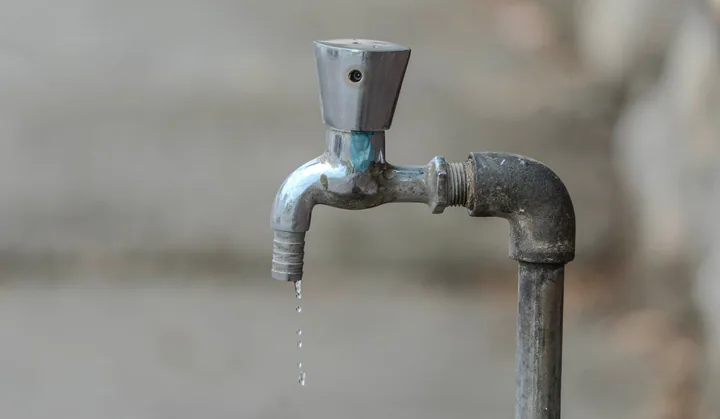
What you see
When you have ahidden leak.
Four signs that water is escaping somewhere you cannot see.
01
The bill climbs on its own
Your usage did not change but the bill did. Water escaping from a cracked pipe under the tiles passes the meter exactly like water you actually used.
02
Damp rising from below
A dark line low on the wall or along a tile joint that comes back after it dries. Water from a pipe under the floor travels through the bedding and surfaces away from the break.
03
The pump runs with taps shut
Close every tap in the house and listen to the pump. If it starts by itself, the pressure is dropping in a closed line, and water is leaving it somewhere.
04
One warm patch of floor
If one stretch of floor is warmer than the tiles around it, the leak is usually on the hot line. Heat reaches the surface before the damp does, so it shows first.
This area
What setsthis area apart
Flats in Shuaiba are old and heavily used, with very aged pipes under high pressure from nearby industrial services. Damp in Shuaiba may come from a leak in the ground supply before the building, or from salt-eroded copper pipes in the sea-damp air. The main line in Shuaiba arrives from the water station under high pressure, so old pipes take that load and corrode faster. We open the inspection chamber first and test pressure on each line, and if we find a difference between incoming and outgoing pressure, we know the leak is in the main before the building. Shuaiba foundations sit close to the water table, so persistent damp may be a horizontal seep, not vertical.
Shuaiba sits in Ahmadi governorate at its southern edge, an industrial and residential area near Shuaiba port.
Shuaiba has some of Kuwait's oldest pipes, and high pressure from the station speeds wear and cracking in old copper and metal runs.
In short
The field at a glance.
Field
Water leak detection in homes and buildings
Services
Water leak detection, acoustic listening and tank leak detection
Method
Isolating lines, watching the meter, listening at contact points
Before breaking
We mark the spot first, so any opening is at one place
Coverage
Every area of Kuwait, across all six governorates
Hours
Daily, 6:00 in the morning to 12:00 midnight
How we find it
From the call to themarked spot.
Four steps, and none of them needs anything broken open.
You describe what you see
Tell us where the damp is, when it started, whether the bill jumped, and whether the tank is on the roof or in the ground.
We split the network up
We close the valves one at a time and watch the meter, so we know which line is losing water before hunting the exact point.
We listen to the live line
Water escaping under pressure makes a steady rush. We listen at valves and fittings, then across the floor itself, until the sound peaks.
We mark it and say what is next
We mark the place on the floor in front of you and say which line it is, so the opening is at one point and not across the room.
Common questions
Questions about Leak detection in Shuaiba
Usually yes, but the problem can also be the foundation itself or joints between pipes. High pressure from the station breaks weak joints first. We measure pressure in detail to pinpoint whether it is the pipe or a joint.
No, damp in Shuaiba foundations often comes from the high water table near the surface. If it is from the supply itself, we measure pressure to see if it is the hot or cold line. If the damp persists even when you are not using hot water, the problem is the foundation, not the pipes.
Nearby areas
More areas for Leak detection
Same service, in nearby areas.
Other services
Other services in Shuaiba
Other work we do in the same area.