Commercial contracts
Ramadan Drain CleaningBuilding and complex maintenance in Watiya
Building and complex maintenance in Watiya covers the whole drainage network from the roof tank down to the car park. Watiya is an older residential district near the old city walls, with most buildings running four to five storeys and multiple flats on each floor.
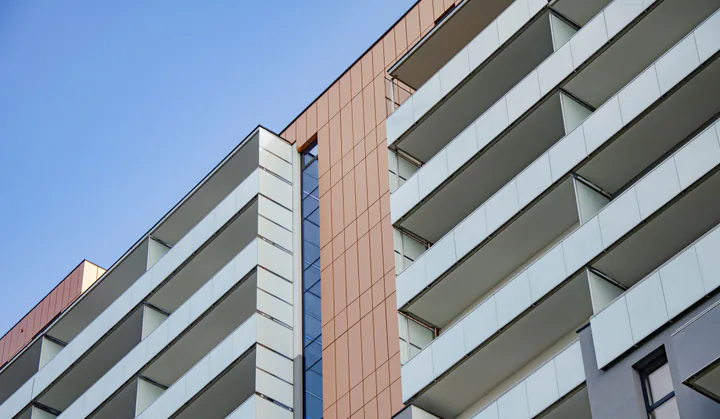
Signs across a block
Where a block showsits faults.
A block does not complain from one place. These are the spots that show it first.
01
One flat complains and the rest are fine
When one flat has water coming back and the rest drain normally, the fault sits in its own branch or where that branch joins the shared run, not in the shared run itself.
02
Water standing in the car park
A car park gully sits below street level, so any narrowing shows at once as a pool on the concrete. The cause we see most is grit and dust carried down by car washing and settled in the pot.
03
The tank water changes in summer
A roof tank sitting in the sun heats up, the water standing in it changes in taste and smell, and sediment can settle at the bottom. Residents complain about the water rather than the drains, and the cause is above them.
This area
What setsthis area apart
Watiya buildings are relatively old and their main drainage stack runs inside the walls, emerging at roof level. Each flat on every floor has several drains, and the horizontal line from each flat descends to a shared stack. We focus on testing the stack from top to bottom and checking flow from every bathroom and kitchen sink before we sign off. The car park under the building is usually tight, so we position the tanker in the corridor or on the side street.
Watiya is in Kuwait City governorate, an older residential district with multi-storey buildings and shared drainage lines in the main stacks.
Drainage stacks in Watiya are narrow, and water from one blocked flat can back up into other flats on the same stack.
The work in short
What we cover ina block.
Service
Water and drainage network upkeep for a whole building
Where it applies
Residential blocks, complexes and buildings with several entrances
The points
Inspection chambers, manholes, car park gullies, roof tanks and pumps
Method
Chambers opened in order, drain rods, and a tanker when suction is needed
Coverage
All six governorates and the areas inside them
The round
From the roofto the car park.
We start at the top and work down, because what happens above shows up below.
We start at the tank and pump
We open the tank, look at the water and any sediment in the base, and watch the pump while it runs, because weak supply in the flats usually starts here and not at the tap.
We move to the vertical stacks
The stack collecting the bathrooms of the flats above one another reads from the access points and the landing gullies. We listen for water falling at its normal pace, or hesitating before it goes.
We open the yard chambers in order
We open from the chamber nearest the building and move towards the outlet, reading the level in each channel. A full chamber followed by an empty one puts the stoppage exactly between the two.
We finish at the car park
We lift the car park gully grating, clear what has settled in the pot, and check the outlet still sits above the standing water line, because that seal is what keeps odour out of the car park.
Common questions
Questions about Building and complex maintenance in Watiya
It depends where the blockage is. If it is in that flat's line alone, other flats stay dry. But if the blockage is in the main stack, water rises into flats below, and we need to clear the whole stack from the roof.
One flat is just the line from the drain to the stack. A whole building means we check the stack itself, the shared underground line, and the roof tank, because any blockage there hits everyone.
Nearby areas
More areas for Building and complex maintenance
Same service, in nearby areas.
Other services
Other services in Watiya
Other work we do in the same area.
Back to Building and complex maintenance